Email Marketing for US Beauty & Skincare Brands: The Complete Playbook
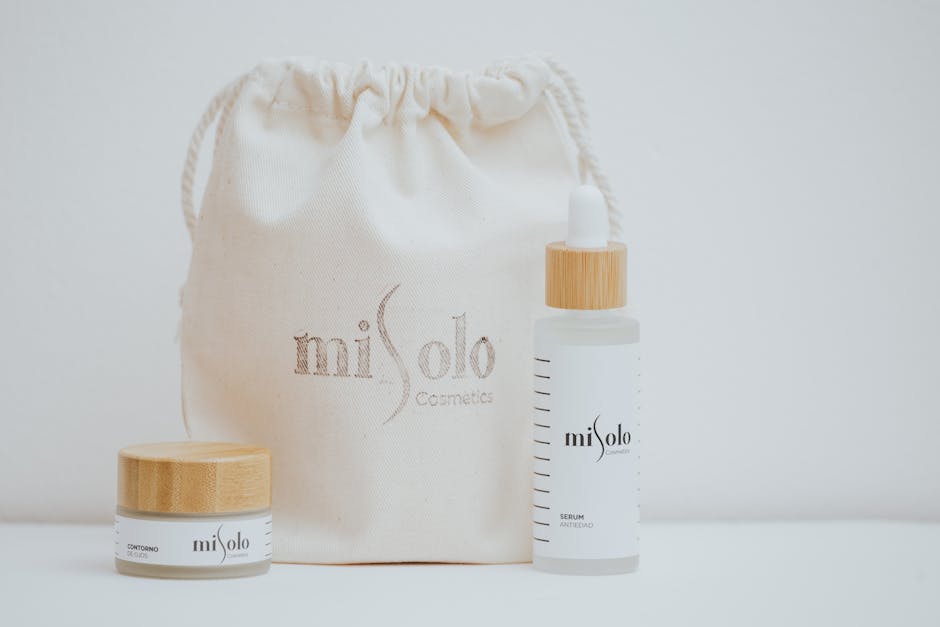
Beauty and skincare is one of the most email-responsive categories in US e-commerce. Customers care deeply about what they put on their skin, research extensively before buying, and — when they find something that works — repurchase with remarkable consistency.
That combination of research-driven purchase behaviour and high repeat purchase rate makes email uniquely powerful for beauty brands. Done right, email drives discovery, trial, conversion, loyalty, and word-of-mouth in a single channel.
This is the complete playbook for building a high-performing beauty and skincare email programme in the US market.
Understanding the Beauty Email Customer
Before building flows and campaigns, understand who you are emailing and why they engage.
They research before they buy. A customer considering a new serum or moisturiser reads ingredient lists, looks at before/after photos, checks reviews, and compares options. Your email programme needs to support this research journey — educate and inform, not just promote.
They form strong brand loyalties around results. When a skincare product delivers visible results, customers become advocates. They tell their friends, post on social, and write unsolicited five-star reviews. Email can accelerate this advocacy loop.
Replenishment cycles are predictable. Most skincare products last 30–60 days. A foundation or moisturiser customer who loves your product will need more in exactly that window. Replenishment flows are exceptionally high-ROI in beauty.
They respond to education. Ingredient transparency, routine guidance, skin type customisation, and “how to use” content all drive engagement and purchase confidence in ways that pure promotional emails do not.
CAN-SPAM compliance applies. Every commercial email to US recipients must include your physical address, a working unsubscribe mechanism, and honest subject lines. This is handled easily through your ESP’s standard footer.
The Core Flow Stack for Beauty Brands
1. Welcome Series (6–8 emails over 14–21 days)
Beauty welcome series should be longer and more education-focused than most categories, because the consideration cycle is longer.
- Email 1 (Immediate): Welcome, deliver any signup offer. Strong visual identity. Clear what this brand is about.
- Email 2 (Day 2): Your hero product or best-seller with educational content. What does it contain? Why do those ingredients work? What results do customers see?
- Email 3 (Day 4): Skin type or concern matching. If you have a quiz or range across skin types, guide them to the right products for their situation. Personalisation at this stage dramatically increases conversion.
- Email 4 (Day 7): Social proof — before/afters (FTC compliant with honest framing), detailed customer reviews, influencer endorsements.
- Email 5 (Day 10): Routine building. How do your products work together? What is the ideal morning and evening routine using your range? This increases average order value and demonstrates brand expertise.
- Email 6 (Day 14): Educational deep-dive into a key ingredient or product philosophy. “Why we use X instead of Y” or “What makes our formulation different.”
- Email 7 (Day 18): Urgency on any unused welcome offer. Curated recommendation based on browse or engagement behaviour.
- Email 8 (Day 21): Alternative soft pitch if still unconverted — perhaps a lower price-point entry product, sample set, or starter kit.
2. Abandoned Cart (3-step sequence)
Beauty cart abandonment is often driven by price hesitation, ingredient uncertainty, or wanting more evidence before committing to a full-size product.
- Email 1 (1 hour): Clean reminder. Product photography at its best. One clear CTA back to cart.
- Email 2 (24 hours): Address the objection. Highlight your return policy, money-back guarantee (if you have one), and key ingredient benefits. Add two or three reviews that speak specifically to the abandoned product.
- Email 3 (72 hours): Final nudge. Potentially offer a free sample with order or a limited discount. If you have a starter/travel size version, mention it as a lower-commitment entry point.
3. Post-Purchase Flow (60-day sequence)
Post-purchase is the most important flow category for beauty brand LTV, and the most commonly underdeveloped.
- Day 1: Order confirmation. Thank them. Tell them exactly when to expect delivery.
- Day 3: “It’s arriving soon” email with product education. How to introduce a new product into their routine. What to expect in the first week vs first month.
- Day 7–10 (after estimated delivery): “How is it going?” check-in. Invite early feedback. Provide application tips and common questions.
- Day 21: Review request — personalised to the specific products ordered. Include UGC from other customers using the same products.
- Day 30: Routine expansion. Based on what they bought, recommend the next complementary product. “Your moisturiser pairs perfectly with our vitamin C serum.”
- Day 45: Replenishment trigger. “You’re probably running low on X.” Direct link to re-purchase.
- Day 60: Subscription or bundle offer for customers who have not yet set up auto-refill.
4. Replenishment Flow
This is where beauty email programmes generate their most reliable, highest-margin revenue.
Build a replenishment flow based on each product’s expected lifespan. Most beauty products have an established volume/usage pattern:
- Cleanser: 30–45 days
- Moisturiser: 45–60 days
- Serum (30ml): 45–60 days
- Foundation: 45–90 days depending on application frequency
Trigger replenishment emails 5–7 days before the customer is estimated to run out. Send 2–3 reminders over 10–14 days. Include a “subscribe and save” option. A well-optimised replenishment flow alone can represent 15–25% of total email revenue for established beauty brands.
5. Skin Quiz or Product Finder Flow
If you run a skin type or skin concern quiz (highly recommended for beauty brands), build an automated sequence that:
- Responds to quiz completion with personalised product recommendations
- Delivers educational content about their specific skin type or concern
- Follows up with a targeted offer on the recommended products
- Re-engages non-purchasers with alternative recommendations or lower price-point entry
Personalised recommendation flows based on quiz data consistently outperform generic product promotion emails by a significant margin in the beauty category.
6. Win-Back Flow
Target customers who have not purchased in 60–90 days (shorter than most categories because of the replenishment cycle — if they have not reordered in 90 days, they have almost certainly switched brands).
Your win-back sequence should:
- Re-introduce what they loved
- Present what is new or improved since they last bought
- Address the most likely reason for lapse (found something else, ran out of money, moved on)
- Offer an incentive to return — especially a new product sample with purchase
7. Loyalty and VIP Flow
Your top customers by purchase frequency or lifetime value deserve dedicated treatment:
- Early access to new product launches before general availability
- Behind-the-scenes content from formulation or brand development
- Exclusive promotions or gift-with-purchase offers
- First look at limited editions or collabs
This segment has the highest email engagement rate and the highest word-of-mouth amplification rate. Treat them accordingly.
Campaign Calendar for Beauty Brands
Beyond automated flows, your broadcast calendar should plan around:
Skin concern seasonality: Dry skin concerns peak in autumn and winter. SPF and sun protection content peaks in spring and summer. Build your campaign calendar around these natural peaks.
New product launches: Plan a 3–5 email launch sequence for every new product: teaser, waitlist open, launch day, first-week results, social proof roundup.
Beauty moments: New Year skin resolutions (January), Valentine’s Day gift sets (February), Mother’s Day gifting (May), back-to-school/routine reset (August), pre-holiday skin prep (October), holiday gift sets (November–December).
Ingredient education series: Run periodic deep-dive content campaigns around key ingredients — retinol, vitamin C, niacinamide, peptides, etc. These establish authority and drive traffic to specific product pages.
Segmentation Strategy
By Skin Type or Concern
If you collect skin type data (via quiz, purchase history, or preference centre), use it. Customers who have told you they have oily skin should not receive the same email as customers with dry skin — especially when you sell products for both.
By Product Category Purchased
A customer who buys your eye cream is a different person (or at a different stage with your brand) than one who buys your SPF. Segment by purchase category and cross-sell strategically.
By Purchase Frequency
First-time buyers need education and confidence-building. Repeat buyers need routine expansion and new product discovery. Loyal customers (5+ purchases) are your VIPs — treat them as such.
By Engagement Level
Monitor open and click rates. High-engagement subscribers can handle higher frequency and more experimental content. Low-engagement subscribers should receive your best, most high-value content at lower frequency to preserve deliverability.
Platform Considerations
- Klaviyo: The standard for Shopify-based US beauty brands. Best segmentation for replenishment flows and CLV tracking. Strong visual email templates.
- Omnisend: Competitive alternative with lower pricing than Klaviyo. Solid Shopify integration and visual template library for beauty.
- ActiveCampaign: Better for beauty brands with complex B2B components, wholesale, or spa/clinic distribution alongside DTC.
- HubSpot: Enterprise choice for larger beauty brands running integrated marketing, sales, and service.
Excelohunt builds and manages beauty email programmes across all of these platforms.
Key Metrics for Beauty Email
- Replenishment rate: What percentage of customers reorder before running out?
- Routine expansion rate: What percentage of single-product buyers cross-purchase into a second product within 90 days?
- Review generation rate: Reviews are critical in beauty — how many email-triggered review requests convert to published reviews?
- Revenue per subscriber: Total email revenue divided by active subscriber count
- Subscriber lifetime value: How much does an average email subscriber generate over 12 months?
The Gaps Most Beauty Email Programmes Have
Having worked with numerous beauty brands across the revenue spectrum, the most common gaps are:
- No skin quiz or personalisation pathway — sending the same product emails to all subscribers regardless of skin type or concern
- Weak post-purchase sequence — a single order confirmation and then silence until a win-back
- No replenishment flow — the single biggest revenue gap in most beauty email programmes
- Campaign content that is purely promotional — beauty customers respond to education; brands that teach win long-term
- No VIP programme — treating top customers the same as occasional buyers
List Building for Beauty Brands
Beauty list building is uniquely suited to high-quality, qualified subscriber acquisition because of the natural alignment between educational content and purchase intent.
The best list building tactics for US beauty brands:
Skin quiz or diagnostic tool. A “find your skin type” or “build your skincare routine” quiz attracts visitors who are actively seeking guidance on products. These subscribers have high intent and respond well to personalised product recommendations. Quiz completion is a natural email capture moment, and the data collected improves every subsequent email you send.
Educational content upgrades. If you produce content about skincare routines, ingredient guides, or beauty tips, gated PDF guides or “download the full routine” prompts convert content readers into email subscribers at high rates.
Sample programme opt-ins. Offering a sample or trial-size product in exchange for an email address attracts exactly the right audience — people interested enough in your products to try before committing. CAN-SPAM compliance still applies: clear opt-in language, honest description of what they will receive.
Post-purchase opt-in. Your existing customers are your best potential email subscribers. Make it easy for them to opt into marketing email at checkout and on the post-purchase thank you page.
Partnership and collaboration lists. Co-promotions with complementary beauty, wellness, or lifestyle brands can generate high-quality subscribers who share your audience profile.
What to avoid: coupon aggregator sites, generic competition entries, and any form of list purchase. These produce low-quality subscribers who generate complaint rates, damage deliverability, and rarely buy.
Running a US beauty or skincare brand? Excelohunt builds full-service email programmes for beauty brands — from welcome series to replenishment flows to campaign calendars — across Klaviyo, Omnisend, ActiveCampaign, and all major ESPs.
Book your free email audit and discover exactly what your email programme is missing and what it should be generating.
Want Us to Implement This for Your Brand?
Get a free email audit and see exactly where you're losing revenue.
Get Your Free Audit