Email Marketing for Canadian Fashion & Apparel Brands
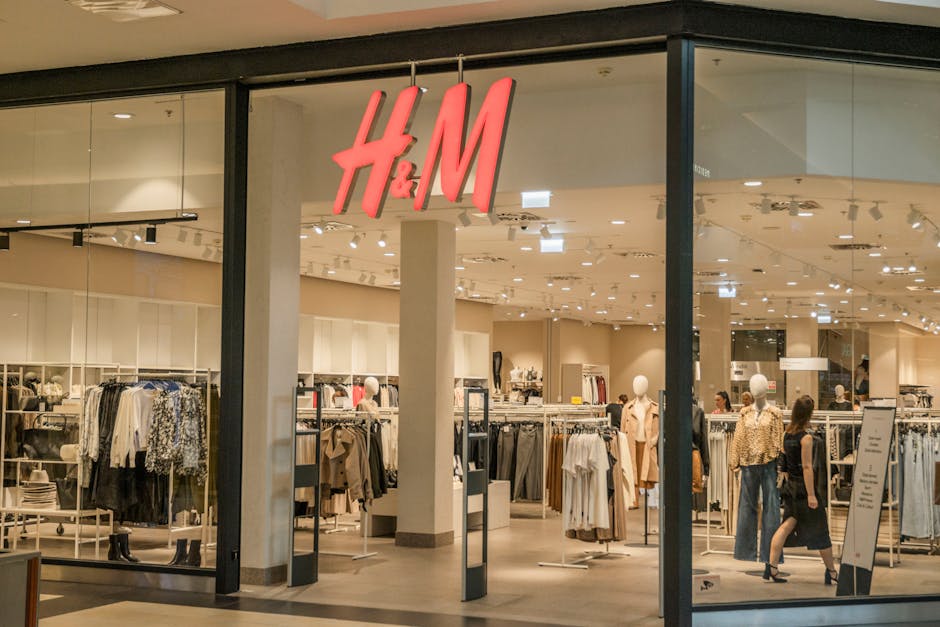
Canada’s fashion and apparel e-commerce market is sophisticated, competitive, and uniquely shaped by its geography and climate. Canadian consumers buy fashion across an enormous range of weather conditions — from deep prairie winters to Vancouver’s mild rain, from Ontario’s humid summers to Quebec’s autumn colour season. The seasonal purchase cycles are distinct, the retail calendar has Canadian-specific events, and the regulatory environment under CASL means list-building must be done carefully.
For Canadian fashion and apparel brands, email marketing is the most controllable, direct revenue channel available. Done well, it generates 30–40% of total revenue through a mix of automated flows and carefully planned seasonal campaigns.
This guide covers the complete email strategy for Canadian fashion brands — from CASL-compliant list building to the automated flows and campaign calendar that drive consistent revenue.
The Canadian Fashion Email Calendar
Canada’s fashion calendar is Northern Hemisphere — seasons align with North America, not Australia or the Southern Hemisphere — but with distinctly Canadian events:
January: Post-Boxing Day clearance continues; winter fashion still relevant in most of Canada through March
February: Valentine’s Day gifting (gifting apparel, accessories); Family Day (Ontario, BC, Alberta — third Monday) long weekend
March: Spring preview; RRSP deadline (not fashion-specific but signals the end of the spending restraint period)
April: Easter; spring collection launches; spring fashion in full
May: Victoria Day (third Monday — major long weekend); Mother’s Day (second Sunday); spring/summer in market
June: Father’s Day (third Sunday); summer fashion campaigns
July: Canada Day (July 1); summer sales; outdoor and festival fashion content
August: Late summer; back-to-school fashion (significant — jeans, boots, jackets); provincial holidays vary
September: Labour Day (first Monday); fall collection launch — one of the most important campaign moments for fashion; Back to school completion
October: Canadian Thanksgiving (second Monday) — treat separately from BFCM; fall fashion at peak; Halloween accessories and occasion wear
November: Remembrance Day (November 11 — no promotional sends); Black Friday/Cyber Monday — your biggest sale event of the year
December: Christmas gifting — gift guides, curated edits, last shipping dates; Boxing Day (December 26) — second biggest sale event of the year; Boxing Week clearance
Core Automated Flows for Canadian Fashion Brands
1. Welcome Series (6 emails over 21 days)
Canadian fashion consumers who opt in are in active brand discovery. Your welcome series should guide them from awareness to first purchase.
- Email 1 (immediate): Brand welcome with strong hero imagery — establish your aesthetic immediately
- Email 2 (day 2): Your brand story — who founded it, where it’s from, what it stands for
- Email 3 (day 4): Seasonal bestsellers — what’s relevant right now
- Email 4 (day 7): Social proof — styled customer photos, press coverage, reviews
- Email 5 (day 12): “Find your style” — product education or a style guide relevant to your positioning
- Email 6 (day 21): Conversion push — your best offer for new customers if you’re using one
CASL note: This flow should only trigger for express-consent subscribers. Those who purchased without marketing opt-in enter the post-purchase flow instead.
2. Abandoned Cart (3 emails)
Cart abandonment in Canadian fashion runs around 72%. A 3-email sequence recovers significantly more revenue than the default single-email approach.
- Email 1 (1 hour): Product reminder with strong photography — recreate the desire
- Email 2 (24 hours): Size availability nudge — “Your size may sell out” (only when genuinely true)
- Email 3 (72 hours): Review-led email for first-time abandoners
3. Browse Abandonment (Klaviyo + Shopify required)
- Email 1 (1 hour): “Still deciding?” with the viewed product in editorial styling
- Email 2 (36 hours): “You might also love” — alternative products in the same category
4. Post-Purchase Series
- Order confirmation + shipping (transactional)
- Email 1 (day 3 post-delivery): Styling inspiration with their purchase — how to wear it, what to pair it with
- Email 2 (day 10): Review request with a customer photo submission invitation (UGC)
- Email 3 (day 21): New arrivals in complementary categories
- Email 4 (day 45): “Shop the season” — seasonal cross-sell based on what they bought
5. Seasonal Reactivation
Canadian fashion has clear seasonal purchase spikes. Use seasonal reactivation flows:
- September 1: “Fall is here” campaign to summer-dormant purchasers
- March 1: “Spring is coming” campaign to winter-dormant purchasers
6. Win-Back (120 days for fashion — accounts for seasonal dormancy)
- Email 1: New season arrivals curated to previous purchase history
- Email 2 (10 days): Incentive to come back
- Email 3 (20 days): Final nudge before suppression
CASL Compliance for Canadian Fashion Brands
List Building Compliance
At checkout: Shopify checkout must include a separate, unticked marketing email consent checkbox. Example language: “I’d like to receive marketing emails from [Brand Name] including new arrivals, exclusive offers, and style inspiration. You can unsubscribe at any time.”
Pop-ups: Clear consent language specifying what emails they’ll receive. The lead magnet (discount code, style guide) can be offered, but consent to marketing emails must be explicit.
In-store for brands with physical retail: Use a tablet form at the counter with digital consent capture — not a sign-up sheet without consent language.
Consent Record-Keeping
Record for every subscriber:
- Date and time of opt-in
- Source (checkout, pop-up name, in-store form)
- Consent type (express or implied)
Implied Consent Management
Customers who purchase without opting in have implied consent for 3 years. Set up a process to:
- Tag customers with their purchase date
- Monitor for the 2.5-year mark
- Send a consent capture campaign to convert implied consent to express
Segmentation for Canadian Fashion Brands
Gender segmentation: If you carry both menswear and womenswear, segment rigorously. Sending women’s campaigns to men and vice versa drives unsubscribes and spam complaints.
Category preference: Customers who buy outerwear get outerwear campaigns. Customers who buy footwear get footwear campaigns. Use purchase history to drive personalisation.
Province/region segmentation: Weather varies dramatically across Canada. Ontario in January and BC in January are very different wardrobe moments. If your product range spans seasonal weather categories, consider geo-segmentation:
- Eastern Canada (ON, QC, Atlantic): Cold winters, hot summers, dramatic seasons
- Western Canada (BC): Mild winters, warm summers, coastal lifestyle
- Prairies (AB, SK, MB): Cold winters, warm summers, outdoor/functional style resonates
Purchase frequency:
- VIP (3+ purchases): Early access to new arrivals, exclusive previews, loyalty acknowledgement
- Repeat (2 purchases): Upsell to higher AOV categories, cross-sell
- One-time: Retention focus — cross-sell, second purchase conversion
- Lapsing: Seasonal reactivation, win-back
Email Design for Canadian Fashion Brands
Fashion email design is a competitive differentiator. Canadian fashion consumers have access to global fashion brands with sophisticated email design — your emails need to hold up.
What works:
- Editorial-quality photography with lifestyle settings
- Mobile-first design (60%+ of Canadian fashion emails are opened on mobile)
- Clean, readable typography with clear hierarchy
- Consistent brand aesthetic across all emails — your emails should be identifiable even without reading the sender name
- UGC — Canadian consumers respond to seeing real people in your clothes
What doesn’t work:
- Low-resolution product photos
- Cluttered layouts with too many products per email
- Generic template designs without brand personality
- Emails that look different every time (inconsistency erodes brand recognition)
Campaign Strategy for Canadian Fashion Brands
The Weekly Content Cadence
For active, engaged subscribers, 2–3 emails per week is the effective range for Canadian fashion brands. The mix should be:
- 1 product-focused or promotional email
- 1 editorial or content-led email
- 1 seasonal or event-driven email (as relevant)
For less-engaged subscribers, reduce to 1–2 per week.
Key Campaign Types
New arrivals: The most consistently high-performing campaign type for fashion. Arriving new product creates genuine excitement and urgency.
Editorial stories: “Five ways to wear the trench coat this fall” — content-led campaigns that build brand authority and drive discovery without being overtly promotional.
Seasonal sale: BFCM, Boxing Day, mid-season clearance — structured promotional sequences with pre-teaser, launch, mid-event, and close emails.
Gifting guides: Mother’s Day, Father’s Day, Christmas — curated by recipient or price point.
Back to school: A significant campaign moment for brands selling casualwear, denim, footwear, or outerwear.
Email Benchmarks for Canadian Fashion Brands
| Metric | Average | Good |
|---|---|---|
| Open rate (campaign) | 22–28% | 28–38% |
| Click rate (campaign) | 2–3.5% | 3.5–6% |
| Welcome series purchase rate | 6–12% | 12–20% |
| Cart abandonment recovery | 8–15% | 15–25% |
| Email revenue share | 20–28% | 28–40% |
How Excelohunt Works with Canadian Fashion Brands
Excelohunt builds and manages email programmes for Canadian fashion and apparel brands — handling strategy, design, copy, build, deployment, and ongoing management.
Our service includes:
- Complete flow architecture (welcome, cart, browse abandonment, post-purchase, win-back)
- Canadian fashion campaign calendar management
- CASL compliance setup and consent record-keeping
- Geographic segmentation and gender segmentation
- Fashion-appropriate editorial email design
- Deliverability management and list hygiene
We work across Klaviyo, ActiveCampaign, HubSpot, Campaign Monitor, and Mailchimp.
Ready to Build Your Canadian Fashion Brand’s Email Programme?
Our free audit covers your current flows, campaigns, CASL compliance, and list quality — and gives you a clear roadmap.
Book your free email marketing audit and let’s build an email programme that matches your brand’s ambition.
Want Us to Implement This for Your Brand?
Get a free email audit and see exactly where you're losing revenue.
Get Your Free Audit