Email Marketing for Australian Subscription Box Brands: Churn Prevention and LTV Growth
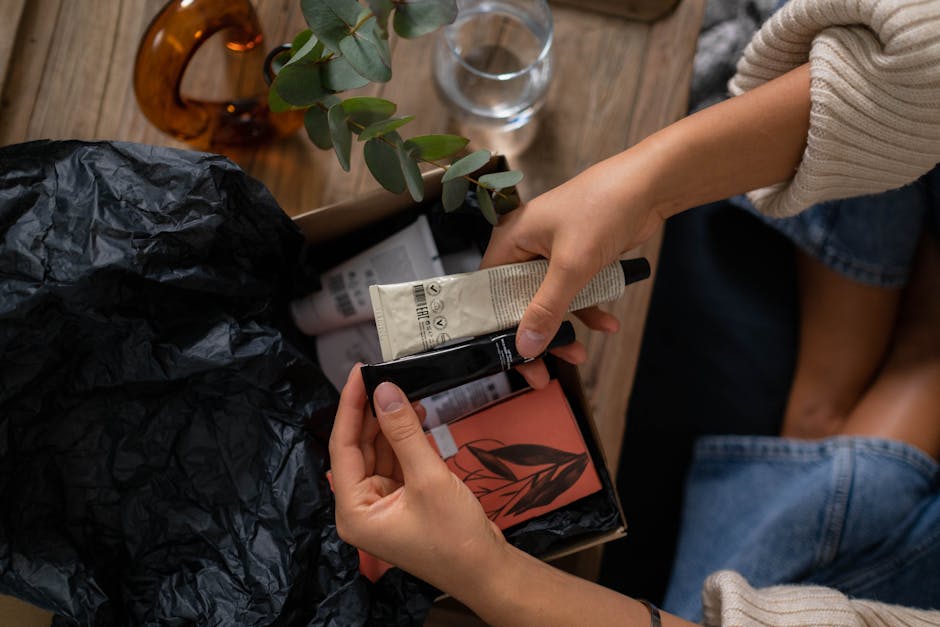
The Australian subscription box market has matured significantly in the past five years. What began as a novelty channel — beauty boxes, snack boxes, book boxes — has evolved into a serious DTC model with brands building eight-figure annual revenues on the back of predictable recurring subscription income.
For subscription box brands, email marketing plays a fundamentally different role than it does for traditional e-commerce. Your goal isn’t primarily to drive new purchases — it’s to reduce churn, increase customer lifetime value, and build the kind of loyalty that turns subscribers into advocates.
This playbook covers the complete email strategy for Australian subscription box brands: the churn prevention flows, the upgrade and upsell sequences, the community-building campaigns, and the Australian Spam Act compliance framework that keeps you operating legally.
The Subscription Box Email Framework
Subscription box email strategy must serve three goals simultaneously:
- Churn prevention — keeping subscribers from cancelling
- LTV expansion — converting subscribers to longer commitments, higher tiers, or add-ons
- Acquisition support — referral, gifting, and gifted subscription campaigns
Traditional e-commerce focuses primarily on the acquisition and conversion funnel. Subscription box email is about the full subscriber lifecycle — from the moment they sign up through every billing cycle, and ultimately through retention or graceful offboarding.
The Subscriber Lifecycle and Email’s Role at Each Stage
Stage 1: New Subscriber Onboarding (Days 1–30)
The first 30 days of a subscription are the highest-risk churn window. A subscriber who doesn’t feel immediately valued and excited about their decision is likely to cancel before their second box arrives.
Welcome Flow (Days 1–14):
- Email 1 (immediate): Confirmation of subscription with a warm, personal welcome. Share what they can expect — the curation process, the box arrival timeline, what makes your boxes special. Strong visuals.
- Email 2 (day 2): Behind the scenes — how you curate, source products, choose themes. Make them feel inside the process.
- Email 3 (day 5): Meet the community — photos from unboxing, subscriber reactions, community highlights
- Email 4 (day 9): How to get the most from your subscription — customisation options, bonus referral programme, account management
- Email 5 (day 14): Pre-arrival excitement — “Your first box ships [date]!” with a sneak peek teaser
Pre-Dispatch Email:
1–3 days before each box ships, send a preview or teaser email. This creates anticipation and emotionally reconnects subscribers with their purchase decision. Subscribers who are excited about receiving their box are significantly less likely to cancel.
Post-Delivery Email:
2–3 days after expected delivery:
- Ask for unboxing feedback
- Share the full product reveal with background stories on each item
- Introduce the products in their box with usage tips
- Tease next month’s theme
Stage 2: Active Subscriber Retention (Month 2–6)
The second churn risk window peaks around months 3–4, when the novelty has worn off and subscribers are evaluating whether the box continues to deliver value.
Monthly Retention Sequence:
- Pre-dispatch teaser (as above)
- Post-delivery engagement email (as above)
- Mid-cycle content email: Relevant content between boxes — recipes using products from the last box, tutorials, community highlights, seasonal content
Monthly engagement is the strongest predictor of retention. Subscribers who engage with at least one email per month churn at dramatically lower rates than those who disengage. Your monthly content email keeps the relationship warm between boxes.
Stage 3: Long-Term Loyalty (Month 6+)
Long-term subscribers are your most valuable customers. They should receive special treatment:
- Anniversary emails (1 month, 3 months, 6 months, 1 year) — thank them, celebrate their loyalty, offer an exclusive
- VIP preview access to new box themes or limited editions
- Loyalty rewards for referrals
- Subscriber milestone recognition
Churn Prevention Flows
At-Risk Subscriber Flow
Identify subscribers who are showing churn signals — declining email engagement, non-engagement with their last two post-delivery emails — and trigger a proactive intervention.
Trigger: No email opens or clicks in 45 days
- Email 1: “We noticed you’ve been quiet — how are you finding your boxes?” Genuine check-in, invite feedback.
- Email 2 (5 days): “We’d love to keep you. Here’s what’s coming next month” — teaser of next box with strong visuals
- Email 3 (10 days): “Still not sure? Here’s what our subscribers say” — testimonials and community love
- Email 4 (15 days): Retention offer — a discount on their next box, a free add-on, or a box swap
Cancellation Save Flow
When a subscriber initiates cancellation, don’t just let them go. A well-built cancellation flow can retain 10–20% of subscribers who would otherwise leave.
- Cancellation initiation email: “Before you go — can we help?” with pause options, box swap options, or skip-a-month
- Follow-up (2 days): Address common cancellation reasons — too expensive? Offer a loyalty discount. Products not relevant? Offer customisation. Too much product accumulation? Offer a pause.
- Final email (5 days): If they proceed, graceful offboarding with a warm goodbye and an invitation to return when ready (include a comeback discount code)
Win-Back Flow (Former Subscribers)
Former subscribers are your warmest acquisition prospects. They know your product, they trusted you enough to subscribe once, and they may have cancelled for situational reasons (budget pressure, moving house, life change).
Trigger: 60 days post-cancellation
- Email 1: “We miss you — here’s what you’ve been missing” with recent box highlights
- Email 2 (10 days): New benefits or improvements since they left
- Email 3 (20 days): Win-back offer — first box at a discount or with a bonus
- Email 4 (30 days): Final win-back attempt before moving to lower-frequency communication
Upgrade and Upsell Email Flows
Subscription Tier Upgrade
If you offer multiple subscription tiers (e.g., Standard Box vs. Deluxe Box), use email to move subscribers up.
- At month 2: Introduce the premium tier with a comparison of what they’d get
- At month 4: Testimonials from Deluxe subscribers
- At month 6: Upgrade offer — first deluxe box at standard price
Annual Subscription Upgrade
Monthly subscribers can be converted to annual subscriptions with the right offer:
- Email series (triggered at month 3): “Love your subscription? Lock in savings with annual billing” — save X% and guarantee your price
Add-On and Shop Sales
Many subscription box brands have a shop or add-on store. Trigger shop-specific campaigns to subscribers:
- Post-delivery cross-sell: “Loved [product] in this month’s box? Get a full-size version in our shop”
- Exclusive subscriber sales with early access
- Gift voucher campaigns for gifting occasions
Gifted Subscription Campaigns
Subscription boxes are natural gifts. Email campaigns around gifting occasions should be a core part of your annual calendar:
Mother’s Day (second Sunday in May): Your biggest gifting window for lifestyle, beauty, and food boxes Father’s Day (first Sunday in September): For relevant categories Christmas: Gift subscriptions are perennially popular — run a gift-focused campaign series from mid-November Valentine’s Day: For relevant categories Birthdays: Triggered birthday gift reminders to subscribers who have previously purchased gifts
Australian Spam Act Compliance for Subscription Brands
Subscription brands have some unique compliance considerations under the Spam Act 2003.
Transactional vs. commercial emails: Transactional emails (billing notifications, shipping confirmations, account changes) are not commercial messages under the Spam Act and don’t require marketing consent. However, adding promotional content to transactional emails changes their classification.
Best practice: Keep transactional emails purely transactional. Send marketing content in separate emails to consented subscribers.
Consent for existing subscribers: Subscribers who have an active subscription have a commercial relationship with you — implied consent exists for commercial messages relevant to that relationship. However, this implied consent expires 2 years after the relationship ends (i.e., 2 years after their subscription cancellation).
Win-back emails to former subscribers: You can send to former subscribers under implied consent for up to 2 years post-cancellation. After that, you need express re-consent before sending commercial emails.
Unsubscribes: A subscriber unsubscribing from marketing emails doesn’t cancel their subscription. Your unsubscribe mechanism should make this clear — “You’ll no longer receive marketing emails, but you’ll still receive subscription management and billing communications.”
Email Benchmarks for Australian Subscription Box Brands
| Metric | Target Range |
|---|---|
| Welcome series open rate | 45–65% |
| Pre-dispatch email open rate | 50–70% |
| Post-delivery email open rate | 40–60% |
| Mid-cycle content open rate | 25–38% |
| Cancellation save rate | 10–20% |
| Win-back conversion rate | 8–15% |
Subscription box emails typically have higher engagement than standard e-commerce because subscribers are actively invested in the product. If your open rates fall significantly below these benchmarks, it’s a leading indicator of impending churn.
Send Time Optimisation for Australian Subscription Boxes
Pre-dispatch teasers: Send 1–3 days before your scheduled dispatch — typically mid-week, 10am AEST. You want subscribers to see this before their workday fills up.
Post-delivery emails: Send 2–3 days after your average delivery time, in the 9:30–11am AEST window when subscribers are likely to be home from work and have interacted with their box.
Monthly content emails: Tuesday–Thursday, 9:30–11am AEST consistently outperforms other windows for lifestyle and subscription content.
How Excelohunt Works with Australian Subscription Box Brands
Excelohunt builds done-for-you email programmes specifically designed for the subscription model. We understand that subscription box email strategy is fundamentally different from standard e-commerce — and we build programmes that reflect that.
Our service for subscription brands includes:
- Full onboarding and lifecycle flow architecture
- Churn prevention automation including at-risk and cancellation save flows
- Win-back and reactivation sequences
- Upgrade and upsell automation
- Monthly campaign management around box dispatch cycles
- Australian Spam Act compliance setup for subscription businesses
We work across Klaviyo, ActiveCampaign, Campaign Monitor, HubSpot, and Mailchimp — recommending the right platform for your subscription model.
Ready to Reduce Churn and Grow LTV?
Our free audit covers your current subscriber lifecycle email setup, identifies churn risk points, and gives you a clear roadmap for building a programme that retains and grows your subscriber base.
Book your free email marketing audit and find out what better email can do for your subscription box business.
Want Us to Implement This for Your Brand?
Get a free email audit and see exactly where you're losing revenue.
Get Your Free Audit