Email Marketing for Australian Outdoor & Adventure Brands: Seasonal Campaigns & Loyalty
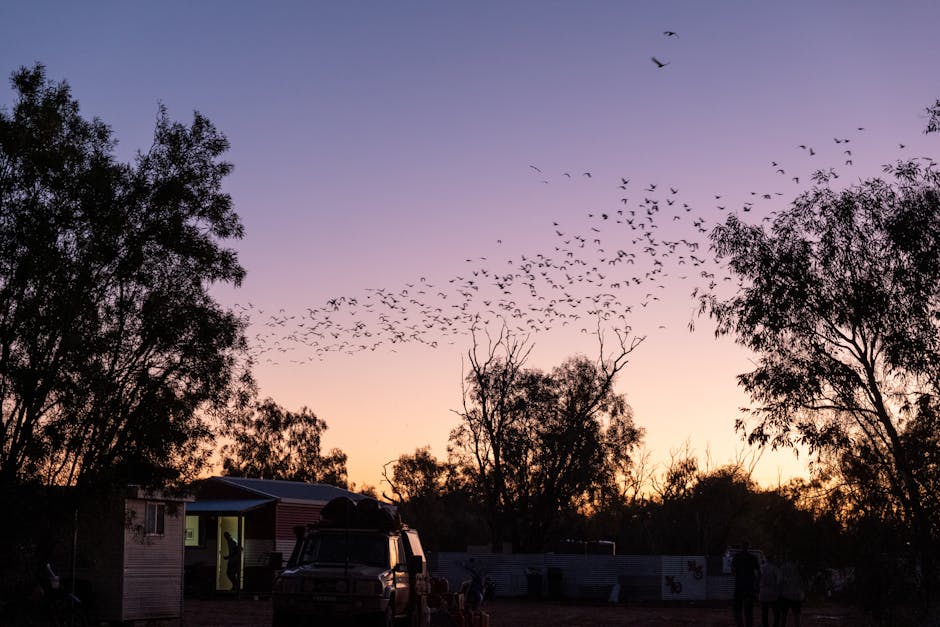
Australia is arguably the world’s greatest outdoor playground. With 85% of Australians living within 50km of the coast, world-class national parks from the Kimberley to the Snowy Mountains, and a culture deeply embedded in outdoor life — hiking, camping, surfing, climbing, trail running, mountain biking — the Australian outdoor and adventure market is substantial and growing.
For brands selling outdoor gear, adventure equipment, camping supplies, technical apparel, or watersports products, email marketing is uniquely well-suited to your audience. Outdoor enthusiasts are passionate, engaged, and loyal to brands that speak authentically to their pursuits. They read long-form content, care about product quality and performance, and respond to community and storytelling in ways that discount-driven categories often don’t.
This guide covers the complete email strategy for Australian outdoor and adventure brands — from the seasonal calendar to the automated flows and loyalty programmes that drive long-term value.
Understanding the Australian Outdoor Customer
Before building your email strategy, it’s worth understanding what makes the Australian outdoor customer different.
They’re multi-activity. Many Australian outdoor enthusiasts don’t just hike — they also camp, trail run, paddle, and climb. Your email segmentation should account for activity preferences, not just product purchases.
They’re gear-research intensive. A customer considering a $400 AUD sleeping bag will research for weeks before buying. Educational email content that helps them make better decisions builds trust that converts to sales.
They’re environmentally aware. Australian outdoor consumers increasingly care about sustainability — sustainable materials, responsible manufacturing, environmental impact. Email is an excellent channel for communicating your brand’s environmental credentials.
They’re seasonal — but not in the way Northern Hemisphere brands are. Australia’s outdoor season calendar is inverted and also regionally varied. Ski season in the Snowy Mountains and the Victorian Alps runs June–September. Hiking in the Kimberley is best April–October (dry season). Beach and watersports peak November–April. Your campaigns need to reflect this complexity.
The Australian Outdoor Email Calendar
Building a campaign calendar around Australian outdoor seasons and cultural moments:
January–February: High Summer Adventure Season
- Peak season for beach, watersports, coastal camping
- Campaign themes: Summer adventures, beat the heat, coastal gear round-ups
- Key products: Kayaks, surfboards, lightweight hiking gear, outdoor clothing, hydration
February–March: Trail Running Season (Southern States)
- Running events ramp up post-summer heat
- Campaign themes: Trail season preparation, gear guides, race day essentials
March–April: Autumn Camping Season Begins
- As summer heat eases, the camping window opens widely across most of Australia
- Campaign themes: Autumn camping guide, new season gear launches, campsite round-ups
- Easter weekend: One of Australia’s biggest camping and outdoor long weekends — run a pre-Easter campaign
May–June: Hiking Season (Outback & Northern Australia)
- Dry season begins in Queensland, NT, WA — prime hiking and 4WD territory
- Campaign themes: The Larapinta Trail, Cape to Cape, multi-day hiking guides
- EOFY (June): Strong promotional window for big-ticket gear items (tents, sleeping bags, packs)
July–September: Ski and Snow Season
- Perisher, Thredbo, Falls Creek, Mt Buller
- Campaign themes: Ski season essentials, snow gear guides, mountain adventures
- Father’s Day (first Sunday in September): Gear gifting
October–November: Spring Hiking Season
- Bloom season in Western Australia (wildflower season), alpine walks reopen
- Campaign themes: Spring walks guide, gear refresh for the new season
- Black Friday/Cyber Monday: Your biggest promotional event of the year
December: Christmas and Summer Launch
- Christmas gifting — gear gift guides are perennially popular with outdoor audiences
- Summer gear preview — set subscribers up for the summer adventure season
Core Automated Flows for Outdoor Brands
1. Welcome Series (5–7 emails over 21 days)
The outdoor welcome series is an opportunity to establish your brand as a trusted authority — not just a gear retailer.
- Email 1 (immediate): Welcome with your brand story — who founded it, why, what adventures inspire you
- Email 2 (day 2): Your product philosophy — materials, testing, quality standards
- Email 3 (day 5): Content-led email — “Essential reading for [their adventure type]” linking to your best blog content
- Email 4 (day 8): Social proof — customer adventures, user-generated content from the field
- Email 5 (day 12): The buying guide — helping them understand which product category suits their needs
- Email 6 (day 18): Conversion email — bestsellers with a first-purchase offer if used
2. Abandoned Cart (3 emails)
Outdoor gear is high-consideration — especially big-ticket items. Abandoned cart sequences must address the research and trust objections specific to the category.
- Email 1 (1 hour): Product reminder with key specs highlighted
- Email 2 (24 hours): Deeper product information — test conditions, customer experiences, expert guidance on fit and suitability
- Email 3 (72 hours): Comparative context — how this product compares to alternatives, why it’s right for their activity level
3. Post-Purchase + Adventure Inspiration Series
After a customer buys gear, keep them engaged with content that helps them use it.
- Order confirmation + shipping (transactional)
- Email 1 (3 days post-delivery): “Getting the most from your [product]” — care instructions, setup tips, pro advice
- Email 2 (14 days): Adventure inspiration — “Where to take your [product] this season” featuring Australian destinations
- Email 3 (30 days): Review request with a photo submission invitation (UGC for future campaigns)
- Email 4 (60 days): Cross-sell to complementary gear
- Email 5 (90 days): Pre-season campaign (if relevant to their gear category)
4. Seasonal Reactivation Flows
Trigger reactivation emails based on the approach of a specific outdoor season:
- Ski season trigger (June 1): Email customers who bought snow gear in previous years — “Snow season is here, are you ready?”
- Summer camping trigger (October 1): Email camping gear buyers — “The best camping season of the year is coming”
- Hiking season trigger (March 1): Email hiking gear buyers — “Trail season starts now”
5. Win-Back Flow
Trigger: No purchase in 180 days for outdoor (longer cycle than consumables)
- Email 1: “What adventure are you planning next?” — content-led, non-pushy
- Email 2 (10 days): New season arrivals curated to their previous purchase history
- Email 3 (21 days): Re-engagement offer with a modest incentive
Loyalty Programme Integration
Australian outdoor customers are highly loyal to brands that deliver genuine performance. A loyalty email programme can be powerful if it rewards behaviour beyond just purchases.
Consider rewarding via email:
- Purchase points: Standard earning on purchases
- Adventure logging: Points for sharing photos or trip reports using your gear
- Review submission: Reward detailed reviews with points or store credit
- Referral: Outdoor enthusiasts refer friends — make it rewarding to do so
- Community participation: Engagement with your newsletter, webinars, or events
Loyalty emails should feel like communications from a fellow adventurer, not a transactional retailer. The tone should be warm, authentic, and genuinely interested in their adventures.
Content Strategy for Outdoor Email
What should you actually write about? The outdoor category lends itself to genuinely rich email content:
Destination guides: “5 multi-day hikes in the Australian Alps perfect for autumn” — this content is search-valuable, socially shareable, and deeply relevant to your subscribers.
Gear care guides: How to waterproof your jacket, care for a down sleeping bag, maintain trail running shoes — useful content that extends product life and builds trust.
Expert advice: Interviews with guides, athletes, or outdoor educators. Australians respect genuine expertise in the outdoors space.
Environmental and conservation content: Australian outdoor consumers are invested in preserving the landscapes they adventure in. Content around environmental initiatives, Leave No Trace principles, and conservation efforts resonates strongly.
Trip reports and community content: User-generated adventures featuring your gear. Nothing sells outdoor gear more effectively than seeing it in action in real Australian landscapes.
Australian Spam Act Compliance
All commercial email sent to Australian recipients must comply with the Spam Act 2003:
Consent: Implied consent for customers who have purchased within two years. Express consent required for non-purchasers through a clear opt-in form.
Identification: Include your business name and physical address in every email.
Unsubscribe: A clear, functional unsubscribe mechanism in every commercial email, processed within 5 business days.
For outdoor brands, the key compliance consideration is ensuring that event-based and community emails (adventure photo competitions, newsletter sign-ups from physical events, trade show contacts) have proper consent documentation. Collecting business cards at an outdoor expo doesn’t constitute consent to receive commercial emails.
Segmentation for Outdoor Brands
Activity segments: Hiking, camping, skiing, watersports, trail running, cycling — segment based on purchase history and stated preferences. Send ski campaigns to ski customers, not to ocean paddlers.
Activity level: Beginners vs. experienced adventurers have different needs, different price points, and different content interests. A first-time camper wants “camping for beginners” content; an experienced alpinist wants technical gear comparisons.
Geography: Outdoor activities are heavily geography-dependent. A customer in Queensland has no need for ski season content. A customer in Tasmania has different outdoor access than one in Darwin. Use shipping address data to geo-segment.
Purchase value segments: High-ticket gear buyers (tents, packs, technical apparel) vs. accessories buyers. The former are your most valuable customers and deserve premium treatment.
Email Benchmarks for Australian Outdoor Brands
| Metric | Target Range |
|---|---|
| Open rate | 28–42% |
| Click rate | 3–6% |
| Post-purchase series engagement | High (content-driven) |
| Win-back conversion | 8–15% |
| Email revenue share | 25–38% of total revenue |
Outdoor brands with strong content strategies tend to have above-average open rates because subscribers genuinely want to read the content.
How Excelohunt Works with Australian Outdoor Brands
Excelohunt provides done-for-you email marketing for Australian e-commerce brands. We work across Klaviyo, ActiveCampaign, Campaign Monitor, HubSpot, and Mailchimp.
For outdoor and adventure brands, we build:
- Complete flow infrastructure with adventure-appropriate content
- Seasonal campaign calendars aligned to Australian outdoor seasons
- Geographic segmentation setup for activity-relevant campaigns
- Loyalty programme integration
- Spam Act compliance auditing and setup
- Content strategy for activity-specific newsletters
Ready to Build an Email Programme That Matches Your Brand’s Spirit?
Book a free audit and we’ll show you exactly what email revenue your outdoor brand is missing.
Get your free email marketing audit — honest, expert advice from a team that works exclusively with e-commerce brands.
Want Us to Implement This for Your Brand?
Get a free email audit and see exactly where you're losing revenue.
Get Your Free Audit